
 Image 1 of 2
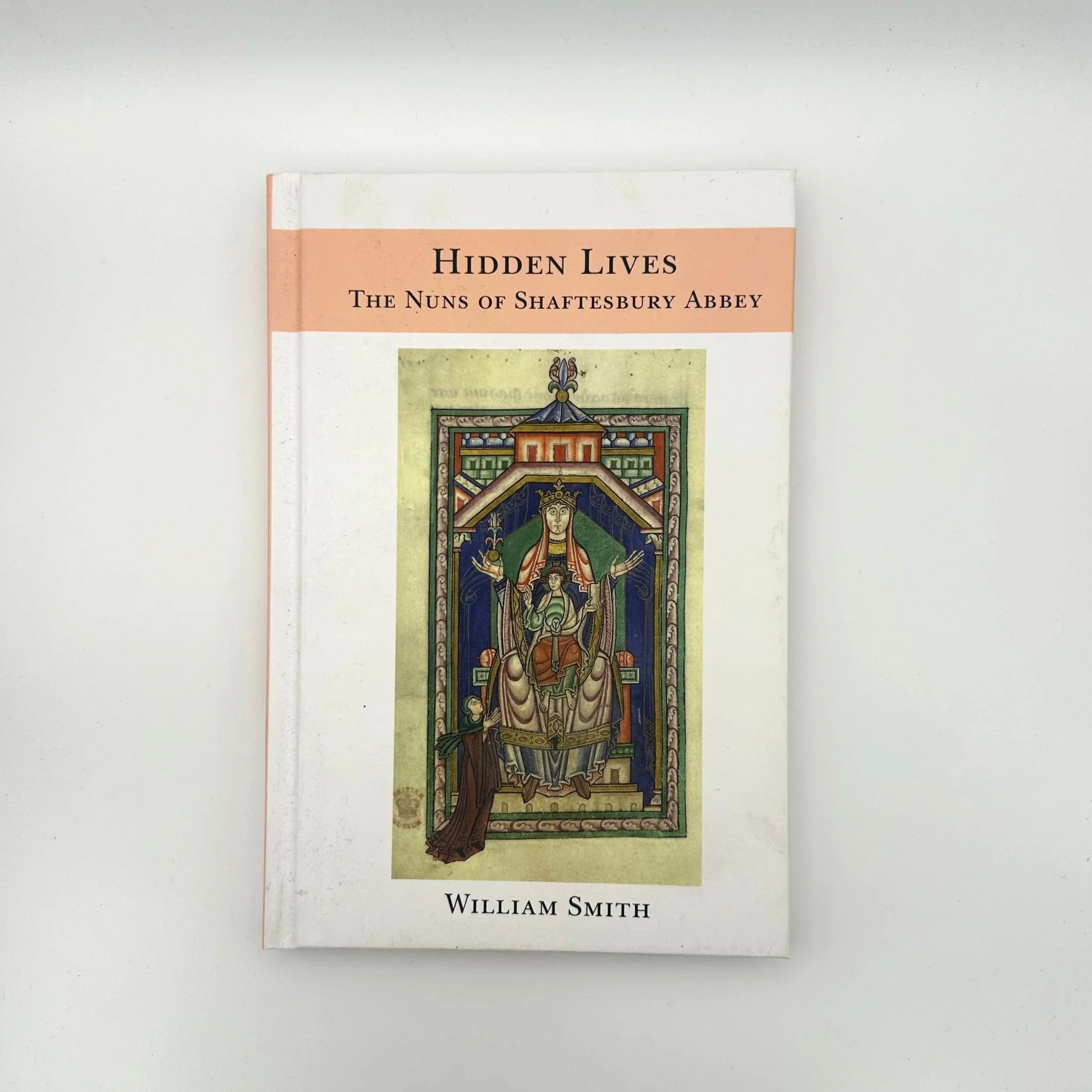 Image 2 of 2
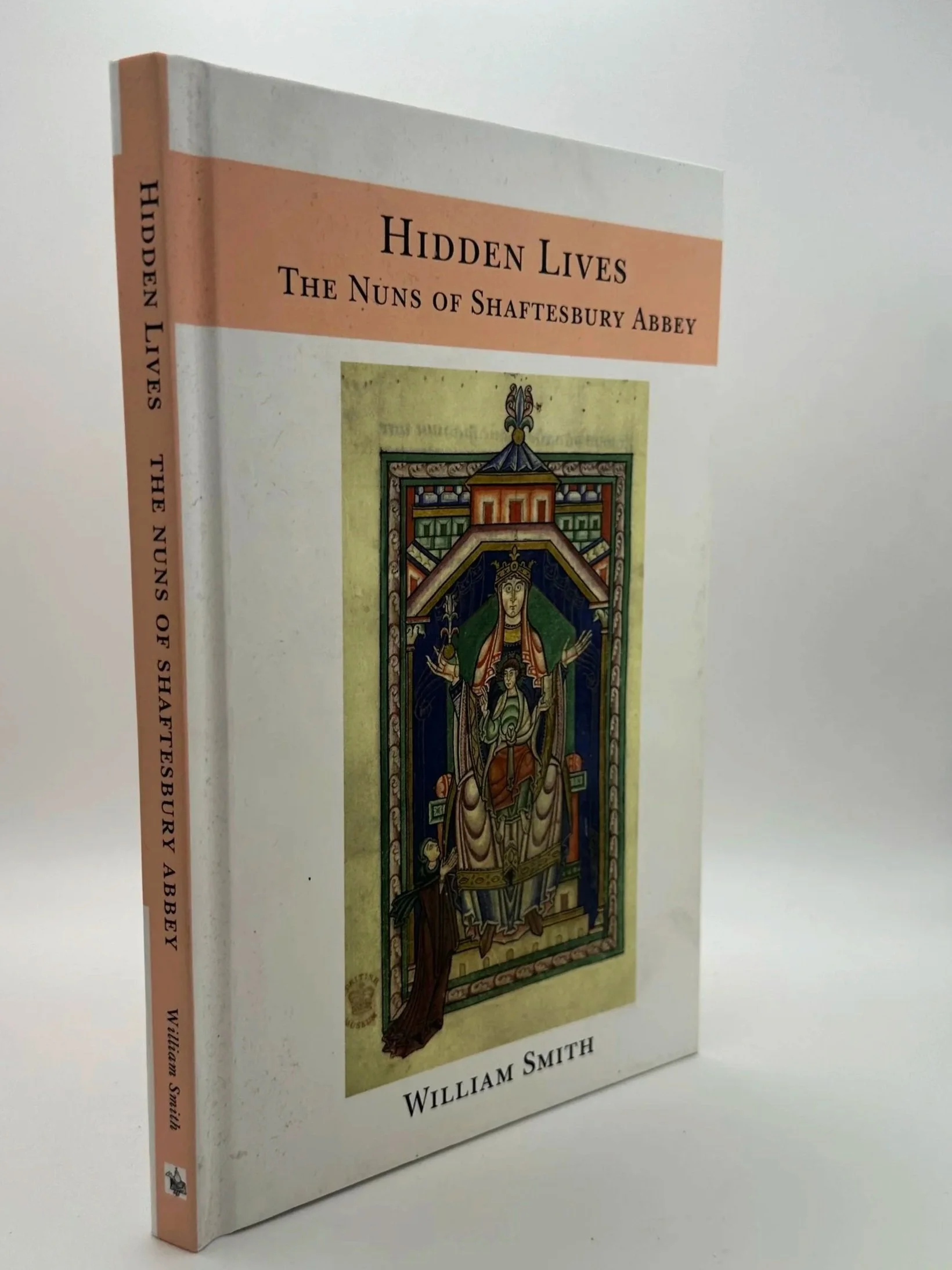
Title: Hidden Lives: The Nuns of Shaftesbury Abbey
Author: William Smith
Format: Hardcover (casebound)
Publisher: Hobnob Press
ISBN: 9781906978921 (ISBN-10: 1906978921)
Language: English
Pages: 160
Dimensions: —
Publication Date: October 2020
Genre: Medieval History, Religious History, Local History (Dorset)
Condition: Very Good
Description:
Hidden Lives is a history of Shaftesbury Abbey and the women who lived there. The Benedictine abbey was founded by King Alfred the Great around 888, and until its suppression by Henry VIII in 1539 it was the wealthiest and most important nunnery of its order in England. William Smith traces the abbey from Anglo-Saxon times and describes its abbesses and how they were appointed under royal patronage. By the late fourteenth century the abbesses came largely from local gentry families and held the status of feudal barons, overseeing the nuns and the abbey’s large estates, mainly in Dorset and Wiltshire. An appendix gives a chronological list of known nuns, especially the abbesses, with biographical details where they survive. The focus is on the lives and identities of the nuns themselves rather than on the abbey as a royal institution. It is a good choice for readers of medieval, monastic and Dorset local history.